
Diners may be cautious about spending money in 2026, but they still need to eat. How can restaurants win them over? By offering intriguing flavors, decadent drinks, and new dine-in experiences that don’t break the bank. Find inspiration in this round-up of 2026 bar and restaurant industry trends.
- All-Day cafés
One of the hottest restaurant trends is the ever-changing all-day café. Cafe Mochiko, in Cincinnati, Ohio, serves coffee and pastries in the morning, then reopens for dinner with a dine-in-only menu of Yōshoku fare: a Japanese take on western comfort food. The Dutchess, in Ojai, California, is a French bakery that becomes a Burmese restaurant at night.
What’s the advantage in changing identities from day to night? One, staying open longer means increased revenue. And two, operators say it’s a proven way to grow a base of regular customers, who might come in for coffee and return for dinner.
2. Layered flavors
“More” is a good word to describe consumer tastes in 2026. They want flavors that are intense, interesting, and unexpected. Think “swicy” (sweet and spicy) and “swangy” (spicy, sweet and tangy). Fermented, pickled, and vinegar flavors are also big.
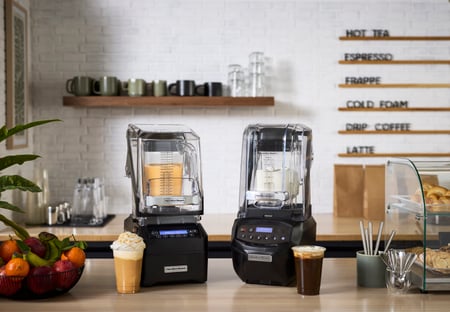
In the beverage space, novelty and customization are key. Gen Z has a growing thirst for dirty sodas (soda spiked with syrups, fruit flavors, and cream), customized refreshers, and foamy, creamy coffee drinks. Want to start serving these trendy drinks? All you need is a commercial drink mixer, a high-performance blender, and the AirWhip™ Frothing Jar.
3. Sensory delights
It’s not just about flavor: intriguing textures are a major food and beverage trend for 2026. “This is the generation of fluffy, chewy, smooth, crunchy, melty,” said Andrew Freeman, the president of AF & Co., a restaurant and hospitality consulting firm. In menu development and descriptions, consider emphasizing food textures.
4. The pursit of fiber
Young diners have taken a new interest in increasing fiber consumption for gut health. Dubbed fibermaxxing, this 2026 food trend involves adding as much fiber as possible to daily meals and can be seen everywhere on social media. Restaurants can ride the wave by adding key ingredients to their menus. Think beans, greens, oats, flax and chia seeds, etc.
5. Fast-casual cocktail menus
Serving alcoholic drinks is a tried-and-true way to increase the average restaurant check amount. American fast casual chains are discovering that this strategy can work for them, too.
Consider Taco Cabana, a Texas-based chain with about 140 locations. Taco Cabana keeps its alcoholic drink options simple: just bottled beer and a few flavors of margaritas. But the chain credits alcohol sales—especially in drive-thru and delivery orders—with increasing average check sizes by 20%. Twin happy hours, from 3-6 p.m. and 9-11 p.m. Sunday through Thursday, drive more traffic during slow times.
6. Culinary cocktails
Bartenders and bar operators predict increased interest in drinks with less alcohol and complex, savory flavor profiles. Trending cocktail ingredients include seaweed, herbs, miso fermented flavors, shrubs,and vinegars.
7. Affordable tasting menus
Diners still love thoughtful tasting menus, but they have price fatigue. "Recession brain has reduced the general public’s tolerance for the unbridled creativity of a tasting menu if it means they may not come away completely full by the end of a meal,” says Kayla Abe, owner of Shuggie’s Trash Pie + Natural Wine in San Francisco. Here’s an innovative twist on an affordable tasting menu: Six by Nico in London serves themed menus for just £50 ($61), and they change every six weeks.
8. Increased focus on LTOs
Limited-time offerings are a proven way to drive restaurant traffic, as they satisfy the desire for novelty and value. In short, they give customers a reason to come into the restaurant. Technomic’s research shows that sandwiches and burgers are the most compelling LTOs. Ideally, they should have an element of adventure, novelty, or fun. For example, BurgerFi’s Steak Hangover Burger LTO had a catchy name and an enticing, if messy, description: “Sizzling shaved steak, caramelized onions, crispy bacon, melty cheese, a runny yolk egg and boom sauce on a toasted potato bun.”
9. Warmer, more personal restaurant design
Convenience is universal. Hospitality is personal. Even as third-party delivery, drive-thru, and takeout remain strong, restaurants still need to create interior spaces that invite customers in. Restaurant design trends are moving away from utilitarian and minimalist to become warmer, cozier, and more organic, with soft lighting and comfortable seating.
10. Smarter investment in foodservice equipment
High food and labor costs mean foodservice operators must think hard about how they want to spend money in 2026. Is it worth investing in a wing-frying robot when existing kitchen equipment needs an upgrade?
“As budgets tighten, more businesses defer equipment maintenance, which leads to breakdowns, disputes over what’s wear-and-tear versus sudden damage, and longer downtime when repairs are delayed by high costs or supply chain issues,” observes Julie Roseland, head of liability claims for NEXT Insurance. “All of that can drive more frequent and severe interruptions, harming guest trust and revenue.”
Don’t let this happen to you. Hamilton Beach Commercial supports your long-term success with foodservice and beverage equipment that’s known worldwide for its legendary durability. Find smart solutions for your business: Shop now.


