
What’s on the non-alcoholic cocktail menu at most restaurants? Most of the time, it’s “fruit juice and bubbles,” observes Joe Gitter, senior editor of Cocktails Illustrated. “They're great, but they can be limiting.”
It’s time to step up what you’re serving. As mocktails (or soft cocktails, as many people call them) grow in popularity, so do customers’ expectations. They want drinks that are subtle, surprising, and sophisticated.
Here are our best tips and recipes for non-alcoholic cocktails that will get customers talking and keep them coming back.
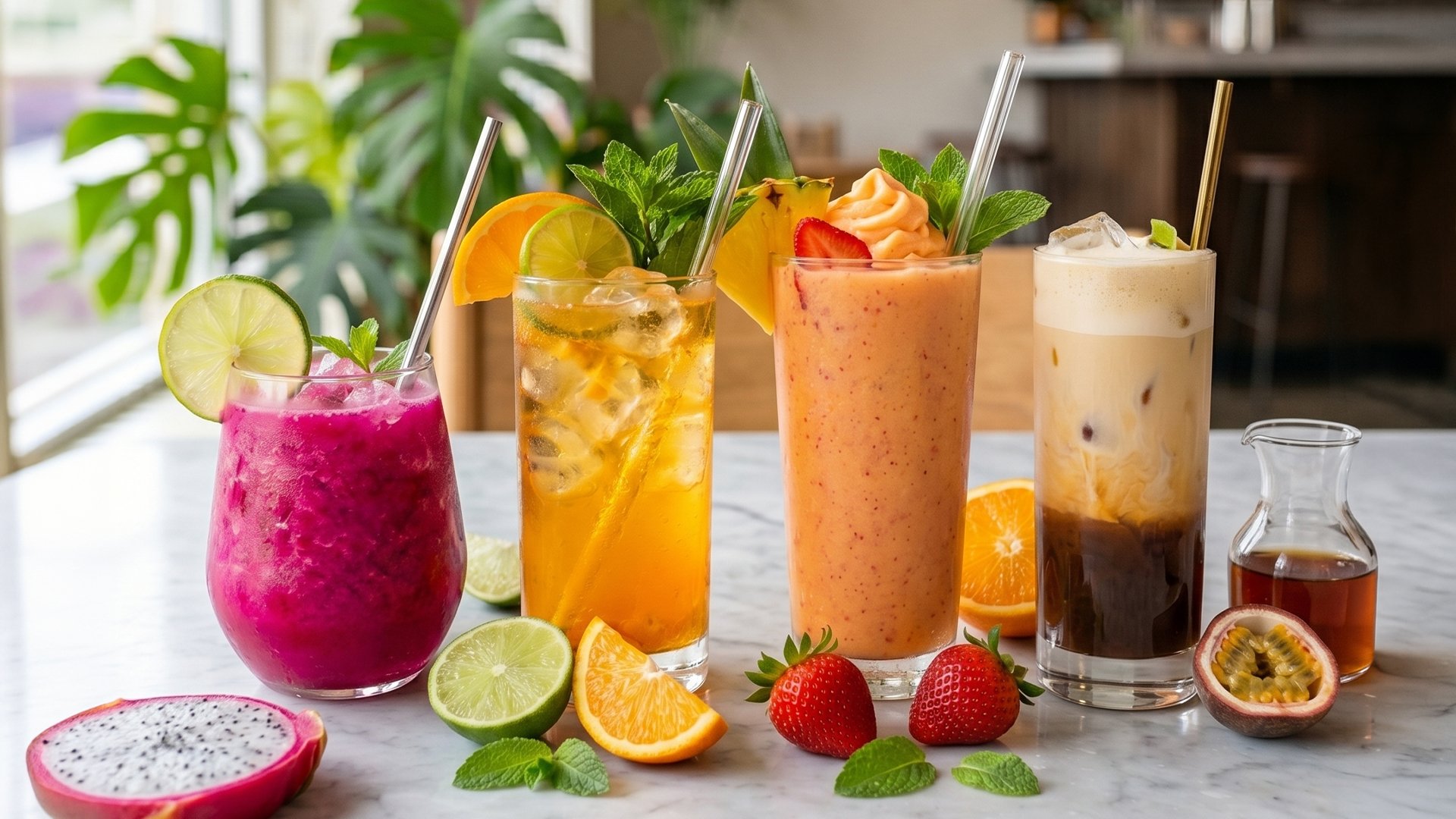
6 secrets for making the best restaurant mocktails
1. Don’t rely only on commercial zero-alcohol spirits. Zero-proof spirits are delicious, but they also can be even more expensive than alcoholic spirits. Their shelf life is shorter, too. Instead, stock the bar with versatile staple ingredients that add complexity to drinks, such as:
-
Coconut water. “There's a mild sweetness, maybe a little minerality, a touch of salt,” Gitter notes. “Plus it has this nice viscosity to it that gives it great body, and it has a subtle, sweet-savory profile that doesn't register as fruity, so it doesn't overwhelm other flavors.” Coconut water ice cubes are a great way to replace alcohol and add flavor to frozen mocktails.
-
High-quality tonic water. The bitter quinine and energetic fizz of Fever-Tree makes it a favorite for zero-alcohol cocktails.
-
Tea. Tea has the astringent and bitter notes that usually come from spirits. Gitter uses Lapsang Souchong, a smoked Chinese black tea, and steeps it with fresh rosemary for herbal, piney flavor. The result, he says, “is this dark, complex liquid that mimics some of the depth you'd get from whiskey.”
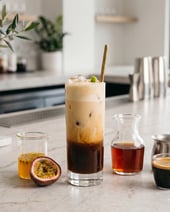
2. Use your vacuum sealer to make sous vide mocktails. The sous vide technique is an overlooked method for making inventive mocktails. Try using PrimaVac™ vacuum packaging machines to infuse simple syrups with fresh ingredients, such as herbs, fruit, or aromatics. Warm your infusion or a whole mocktail mixture with the AcuVide™ 1000 Immersion Circulator, speeding the process and bringing out the full depth of flavor. World Barista Champion Agnieszka Rojewska used sous vide to create passionfruit syrup for this inventive drink.
|
3. Give your non-alcoholic cocktails a health boost. Making a really good mocktail isn’t just about what you leave out, but about what you may add. If you serve a health-conscious clientele, consider drinks with functional boosts. Think herbal or mushroom ingredients that are nootropic (for mental acuity and clarity) or adaptogenic (helping with stress, anxiety and fatigue.) For inspiration, take a look at the cocktail menu at Soft Bar in Brooklyn, where drinks include ashwagandha, reishi mushrooms, ginseng, and more.
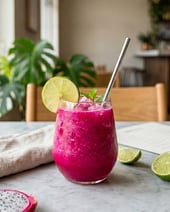
4. Make your mocktails colorful. “We eat with our eyes first,” chefs often say—and we drink with our eyes, too. Presentation matters, and gives a drink that “I could never make this at home” quality. Consider offering a beautifully layered Sunrise Mocktail or a Rainbow Breeze Mocktail (don’t omit the multi-colored fruit skewer). Or use fruit syrups that lend both flavor and hue.
|
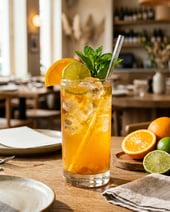
5. Use freshly squeezed citrus. Our iconic 1932 manual citrus juicer is a pro at efficient juicing (and it’s good-looking, too). For high-volume bars, the FreshMark™ Electric Citrus Juicer can fill a glass of juice in less than 30 seconds. This recipe combines three kinds of citrus for a refreshingly different drink.
|
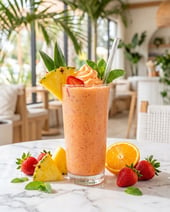
6. Blend up frozen mocktails. Frozen drinks give vacation vibes, even when they’re alcohol-free. And with a high-performance commercial blender, they’re simple to make. Pre-set blending programs and automatic sensing allow for perfectly consistent, creamy blends. Just remember: Always add the ice last. This recipe from Hamilton Beach® Commercial contest winner Shannon McCormack adds the nostalgic flavor of orange sherbet.
|
Discover why Hamilton Beach Commercial blenders are beloved by bartenders around the world: Shop blenders now.


